


Benefits of Checkers for the Brain: 10 Reasons to Play


Checkers is not receiving enough credit. Most people believe it is a children's game or something to pass the time. But come down to a serious match, and you will soon see there is much more in it.
You are tracking pieces, reading your opponent, planning moves, and making quick decisions. That is nothing. The benefits of playing checkers are real and apply to children, adults, and the elderly. Playing checkers online in the modern day can be great for your brain.
Table of contents
Why Board Games Like Checkers Are Good for the Brain
Checkers is a good exercise because it can be played actively rather than passively. Each move will make you decide and bear the consequence which will be a workout for your mind.
The game also gets better with time, as your level of pattern-recognition will increase, allowing you to identify traps earlier and become more effective in solving real-life math and reading tasks. These cognitive rewards are not a modern discovery, people have been drawn to strategy games for exactly this kind of mental stimulation for thousands of years, a pattern visible across the entire history of board games from ancient Egypt to today's digital platforms.
10 Brain Benefits of Playing Checkers
- Improves Memory: There is no room for mistakes that will win you the game. The stakes are so high that you make yourself learn how to be concentrated, present, and not to fall asleep. This kind of forced attentiveness is exactly what checkers teaches you about staying present under pressure, a skill that carries over well beyond the board.
- Enhances Concentration: One distraction can cost you the game. You have the choice based on long-term success, rather than short-term joys.
- Develops Strategic Thinking: The game rewards looking several steps ahead. You learn to make decisions based on long-term aspirations rather than only immediate motivations. This is why checkers is consistently ranked among the best strategy board games for building real-world decision-making skills.
- Strengthens Problem-Solving: You will be required to come out of a sticky situation, and this will demand that you do so in the most optimal manner. The practice will help you work with real-life challenges that are not always solved perfectly.
- Encourages Logical Reasoning: There are consequences of every action. Planning out how they would feel with this or that I do is structuring a thought process employed in math and science.
- Boosts Patience and Discipline: Haste Always Makes Slowness. You have to wait for the right moment and restrain your desire to make reactive, impulsive choices while learning how to win at checkers through steady play.
- Improves Decision-Making Speed: Frequent play will make your brain respond more quickly to decisions. Over time, you become more confident in making quick choices under pressure.
- Reduces Stress: Being fully concentrated on the board is a kind of mental refreshment. It leaves your mind with a task to play with, which helps shove aside day-to-day worries.
- Supports Cognitive Health: Mental strength- The brain needs to be refreshed, and exercise sharpens the brain. It practices planning and attention in an active social manner.
- Builds Social Skills: Playing with someone in opposition will teach you how to handle winning and losing. It is an excellent method of emotional control as well as having face-to-face interaction.
Benefits of Playing Checkers for Kids
Checkers is one of the few activities that is fun and really good for children. It builds attention, logic, and patience without the feeling of a lesson. A great starting point is learning how to play checkers together as a family. It is also screen-free, so it is an acceptable alternative to passive entertainment. Children who play frequently will bring such ways of thinking into the classroom.
Benefits of Playing Checkers for Adults
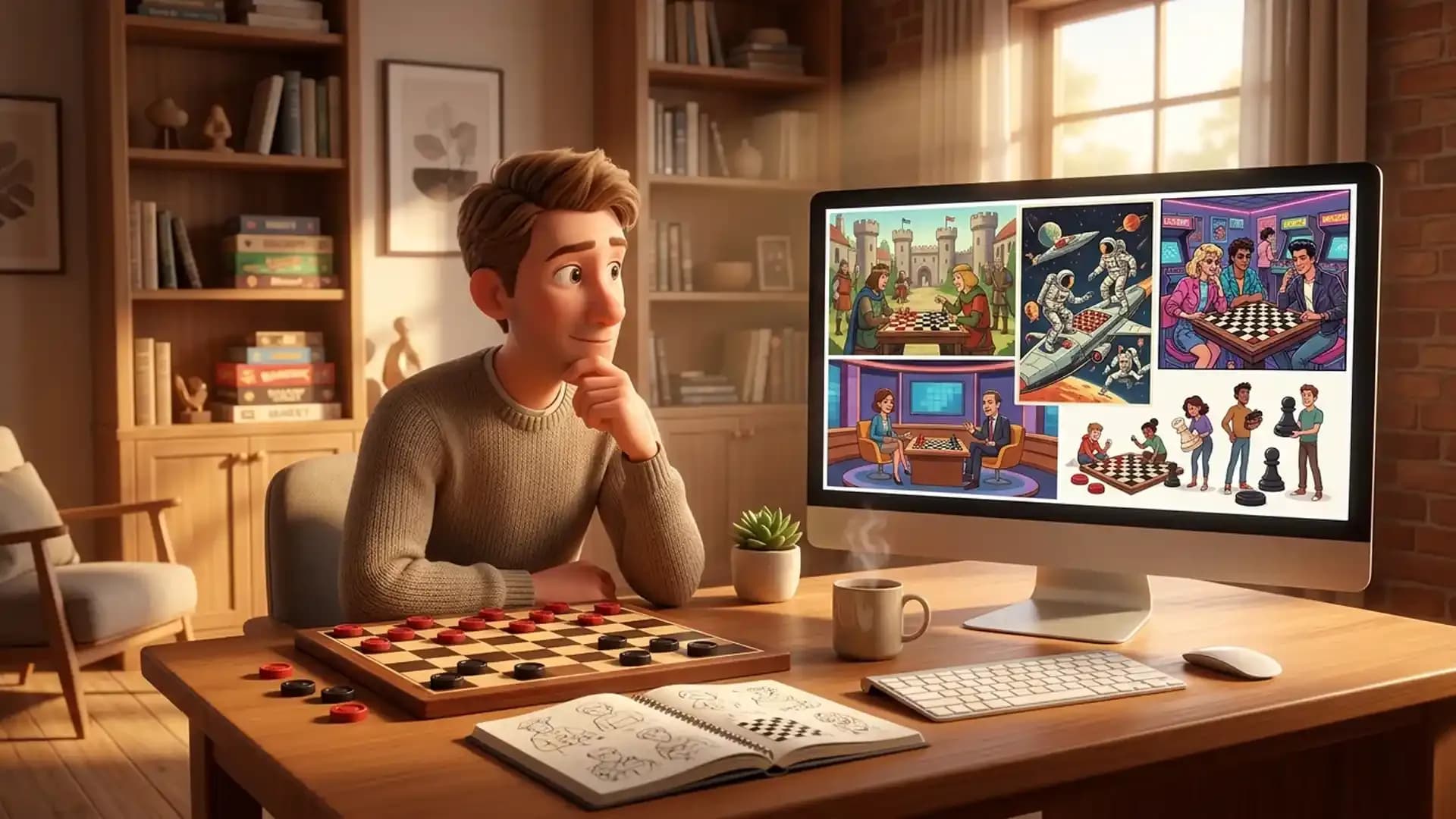
When they leave school, adults usually give up on trying to push their brains. Work keeps you busy, but you do not necessarily have to think differently. Checkers fills that gap. It is competitive, it uses real mental effort, and it gives you a break from the daily routine, and this actually makes you refreshed, not more tired. Part of what makes checkers so easy to return to as an adult is its deep presence in everyday life, checkers in pop culture has kept the game visible through decades of films, television, and shared cultural memory, making it feel instantly familiar no matter how long you've been away from the board.
Benefits of Checkers for Seniors
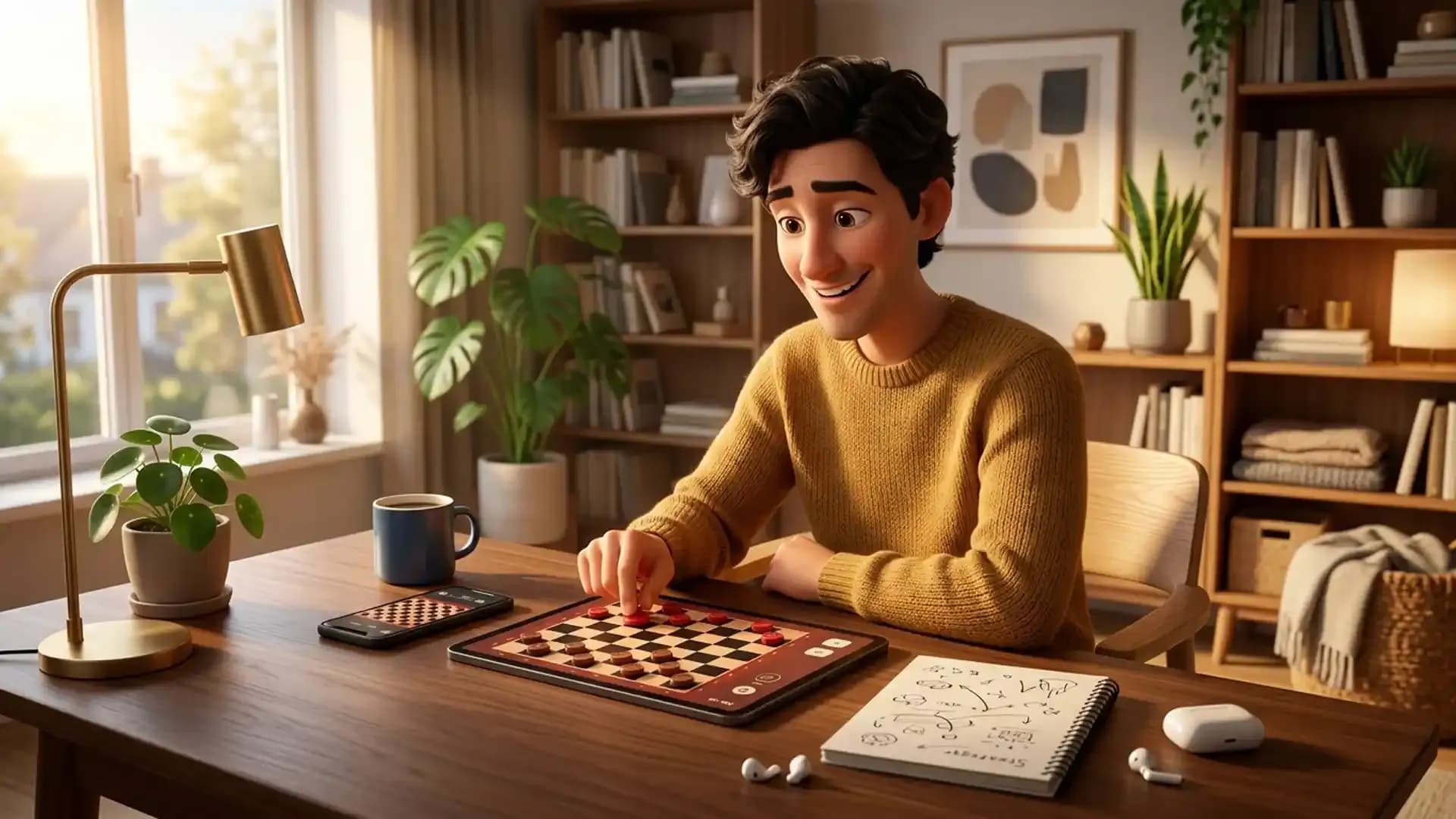
Checkers meets some significant targets simultaneously on behalf of seniors. It trains memory and planning, keeps the mind active, and provides opportunities to interact with others. This is particularly true because a digital checker board setup is available, simple to install, and pleasant, which is why it is utilized by many care facilities.
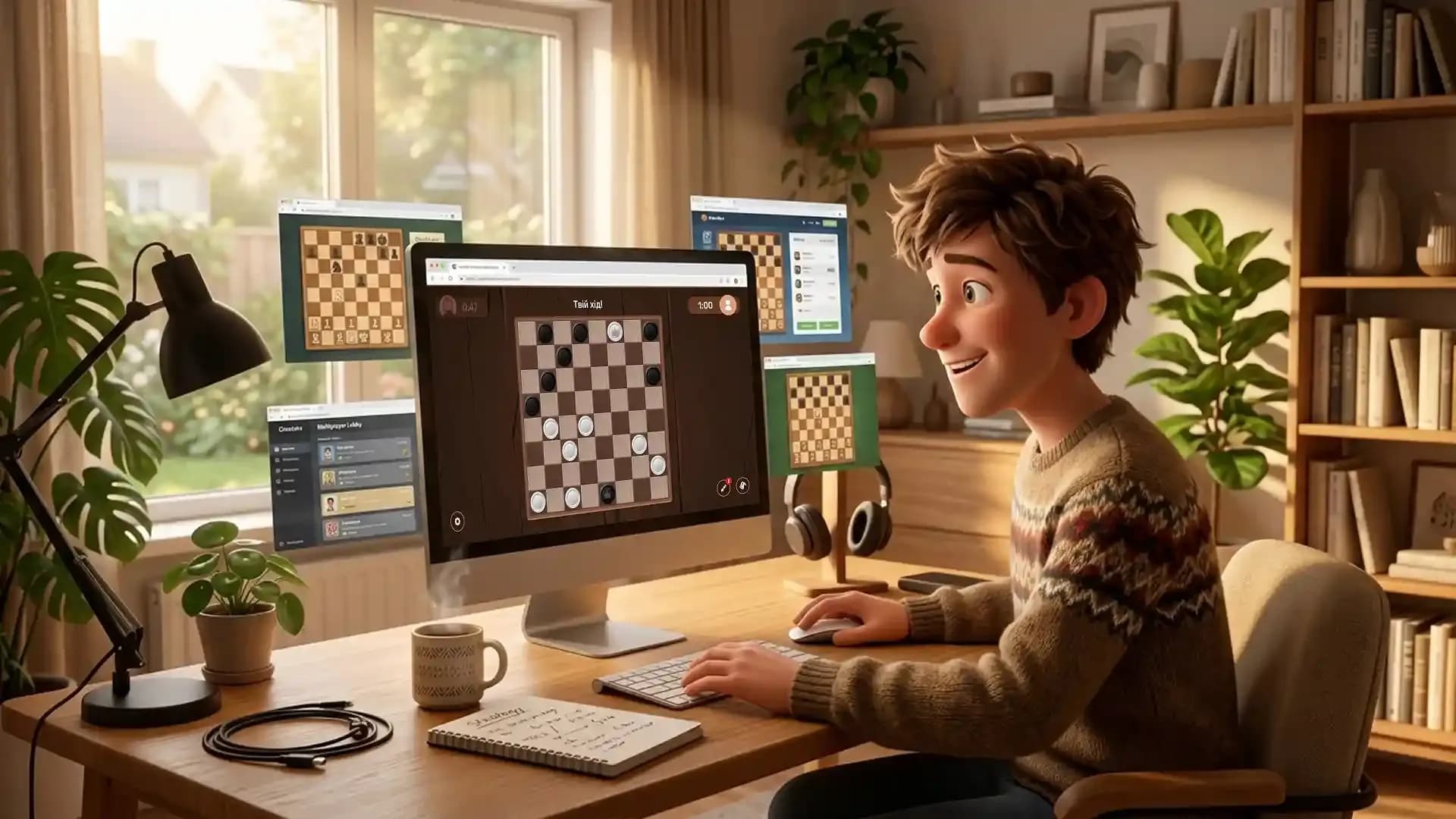
The cognitive and emotional benefits of a regular game are hard to replicate with a crossword or a puzzle app. The best checkers websites offer large-button interfaces and browser-based play that make it easy for seniors to get a focused game in without any technical barriers.
How Often Should You Play for Brain Benefits?
One or at most three times a week is an acceptable target. Occasional long sessions are less important than short but focused sessions. Consistency is good, and not intensity in the brain. Competition with other people: lay your phone aside and play, and add checkers to other challenging tasks, such as reading or acquiring knowledge.
Is Checkers as Good as Chess for Your Brain?
When debating whether is chess or checkers harder, the answer usually depends on your personal goals. Chess is more difficult, but it is also difficult to begin and easy to quit. Checkers is more convenient, so more people tend to commit to it. The two games practice a common mental ability, such as memory, planning, and pattern recognition, which are important parts of cognitive skills. The one that is most beneficial to your brain is the one you will be playing on a regular basis. Checkers is what a lot of folks play.
FAQs
- Better memory, sharper focus, stronger decision-making, and less stress. It is also a patience-forming, people skill-forming, and a good form of cognitive exercise at any age.
- Yes, especially for kids. It develops logical reasoning, planning, and attention in the years when the brain is developing rapidly.
- It does, and it is tracking the board, remembering each move, and planning ahead, which is all working your working memory at any given time.
- Very much so. It supports brain function, fosters socialization, and develops a habit of mental exercise that promotes healthy aging.
- Yes, the fact that the game requires such concentration takes your mind off the day-to-day concerns and truly refreshes your brain.
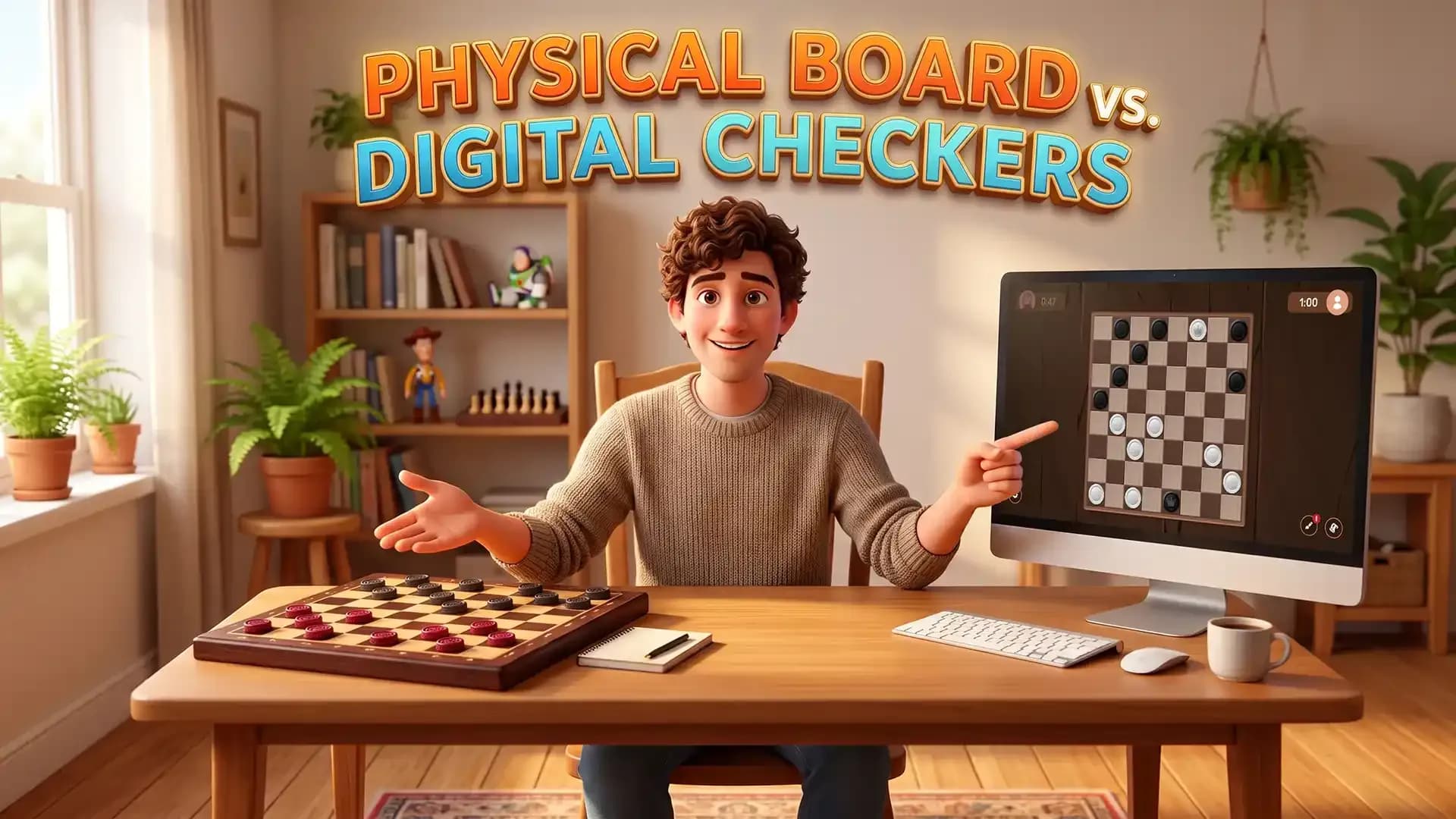
Physical Board vs. Digital Checkers: Does the Classic Feel Get Lost Online?
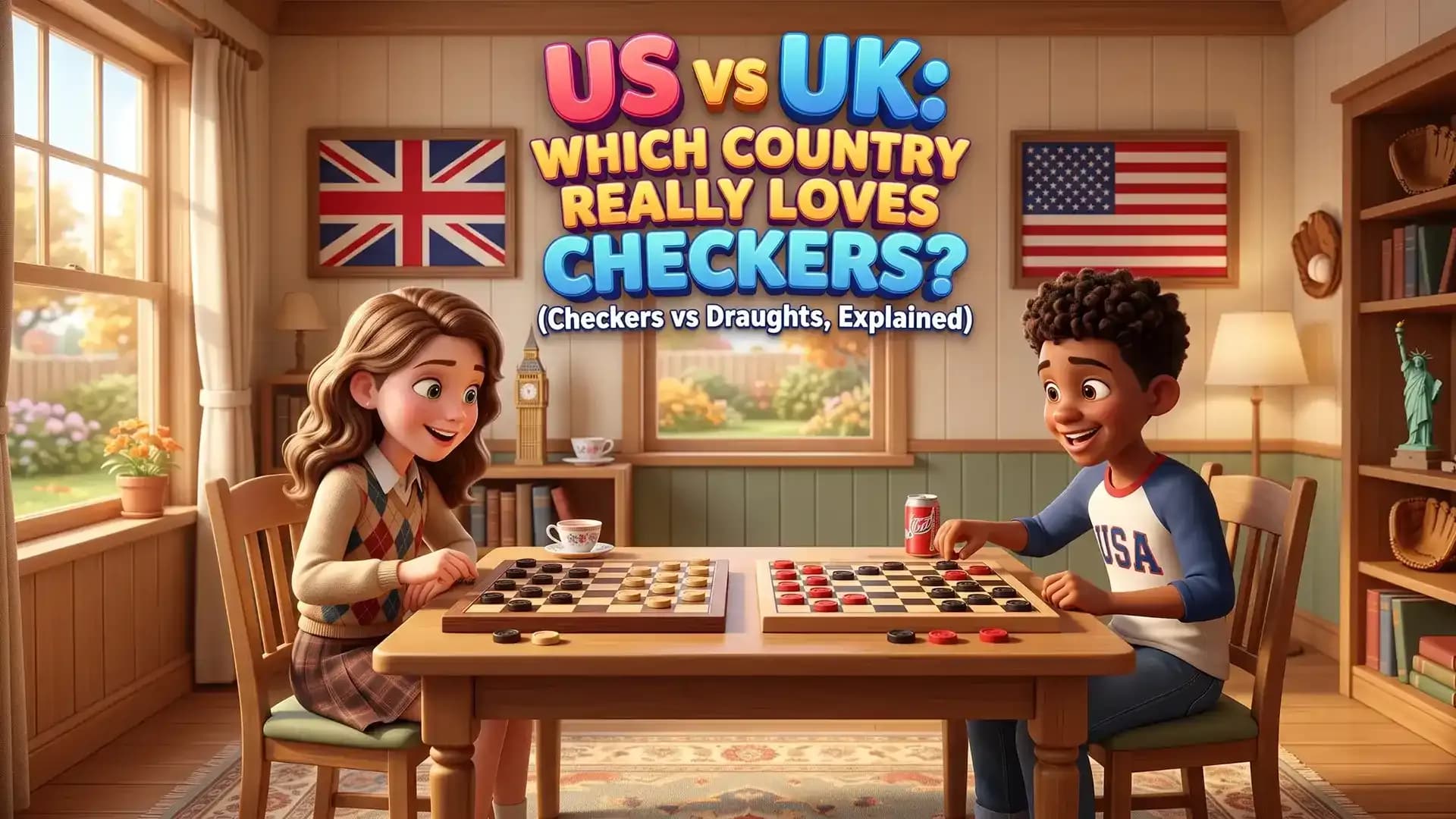
US vs UK: Which Country Really Loves Checkers? (Checkers vs Draughts, Explained)
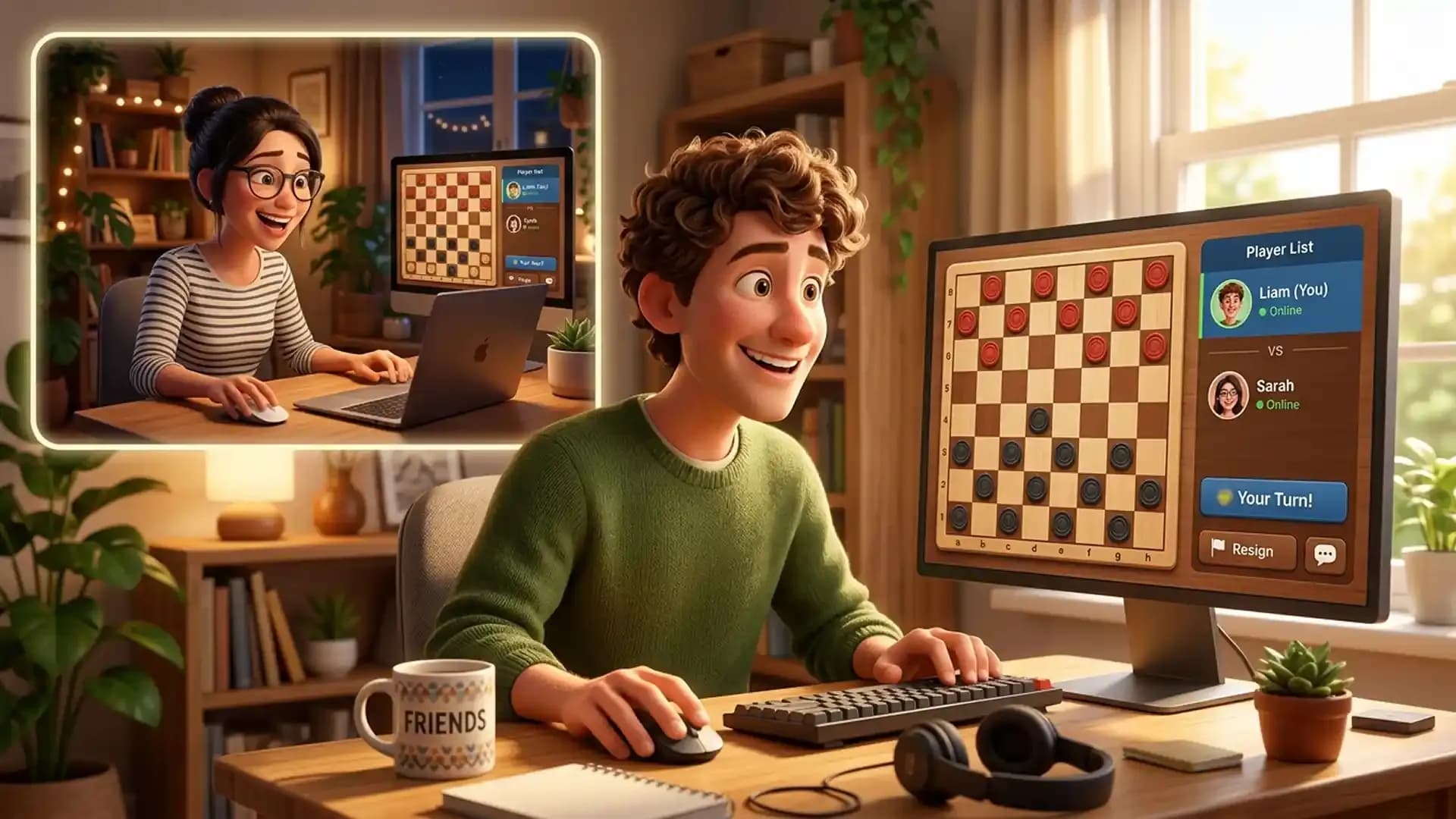
Enjoy Free Multiplayer Checkers with Friends Online
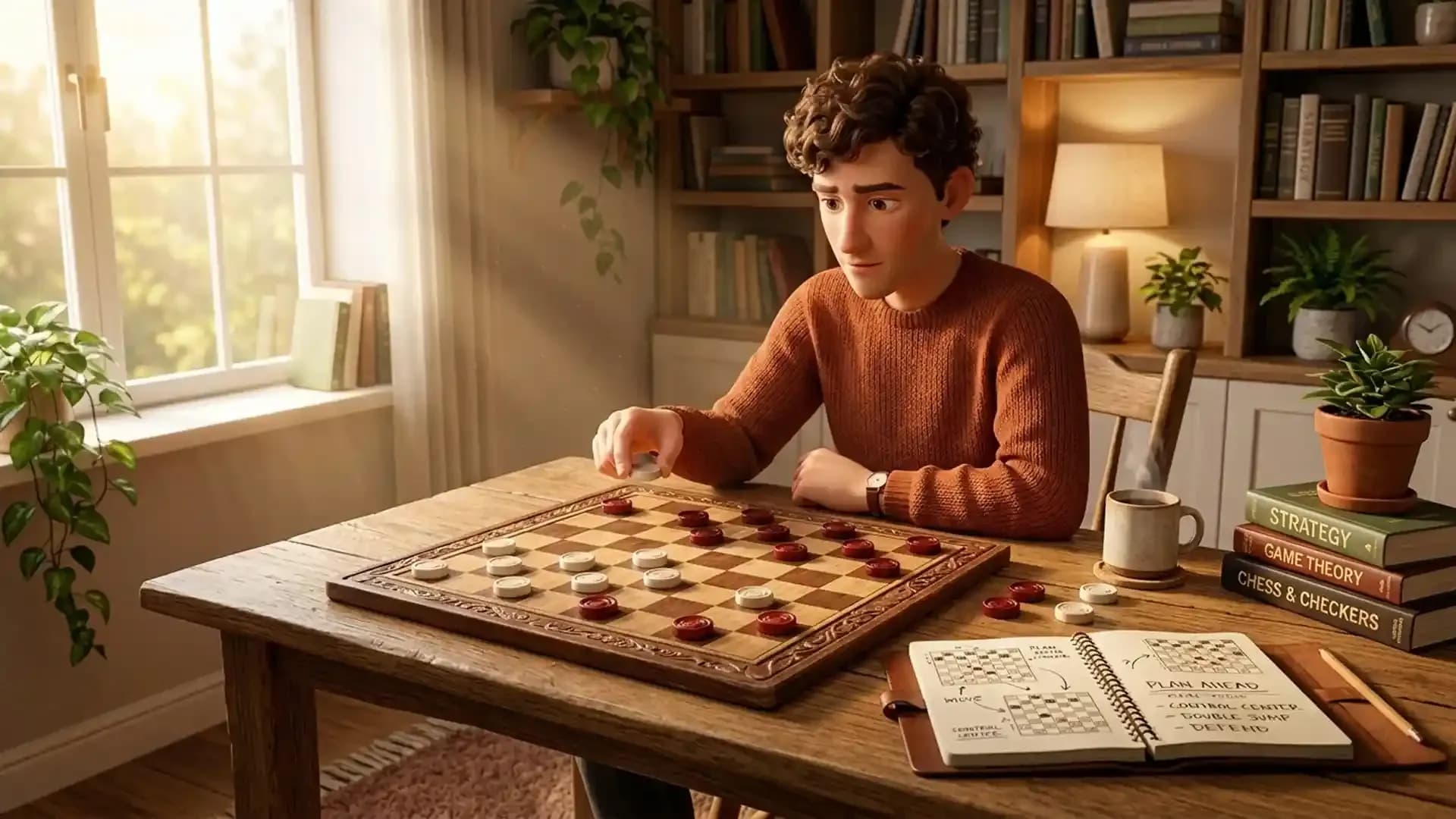
What Checkers Teaches You: Skills Beyond the Board
The Psychology of Checkers: Why This Simple Game Plays Mind Games